What is a Gate Valve and How Does It Work?
A Gate Valve is a crucial component in various plumbing and industrial systems. Its design allows for the efficient control of fluid flow. When fully open, it provides minimal resistance, making it ideal for on/off applications. Many use this valve in water supply and oil pipelines. The simplicity of a gate valve belies its importance.
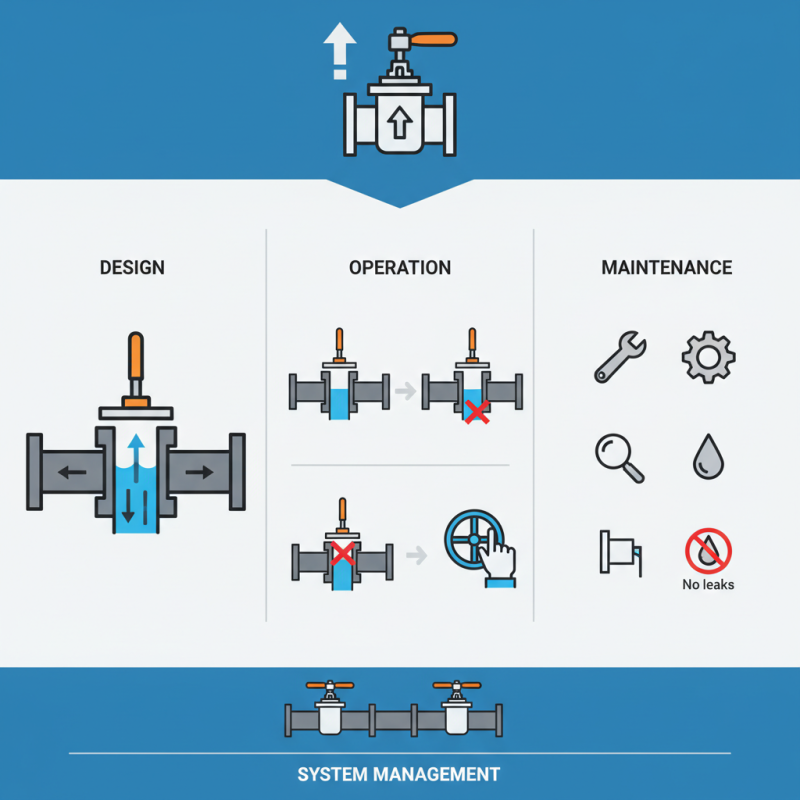
Understanding how a gate valve works requires some attention to detail. It consists of a disc that moves up and down to open or close the flow path. This mechanism relies on precise movements to prevent leaks. A flawed gate valve can lead to severe issues, such as leaks or pressure loss. Users often overlook routine checks and maintenance, which can exacerbate problems.
Despite its straightforward operation, there are nuances worth exploring. Gate valves can become stuck due to corrosion or debris in the pipeline. These potential pitfalls highlight the need for proper installation and regular inspections. A reliable gate valve adds efficiency but can cause significant setbacks if neglected. Understanding its function is essential for effective system management.
Definition and Basic Structure of a Gate Valve
A gate valve is a type of valve used to control the flow of fluid in a pipeline. Its primary function is to either allow or block the flow completely. The design is quite simple, but effective. Key components include the body, gate, and actuator. The body is typically made from durable materials like metal. This allows it to withstand high pressure.
The gate itself is a flat piece that slides up and down. When the valve is open, the gate is lifted out of the flow path. This allows for smooth fluid movement. When closed, the gate blocks the passage. It's essential to note that gate valves are not ideal for throttling. They work best in fully open or closed positions. This limitation can lead to issues if not properly managed.
Maintenance is crucial for a gate valve's performance. Over time, debris can collect in the valve. This may affect its ability to close tightly. Routine checks can help catch these problems early. Understanding the basic structure of a gate valve allows for better operational decisions. Awareness of its limitations is just as important. This can lead to improved efficiency in fluid systems.
Types of Gate Valves and Their Applications
Gate valves are crucial in various industries. They control the flow of liquids and gases. The two main types are Wedge Gate Valves and Parallel Gate Valves. Wedge valves provide tight sealing, while parallel valves offer better flow control. According to a recent industry report, the global gate valve market is expected to grow at a CAGR of 4.5% from 2022 to 2027. This growth reflects their importance in sectors like oil and gas, water management, and manufacturing.
In the oil and gas industry, wedge gate valves are commonly used due to their ability to handle high pressures. They can effectively manage fluid flow in pipelines. On the other hand, parallel gate valves find applications in water treatment facilities. They help in regulating water flow with greater precision. While both types play vital roles, they can face issues like corrosion. This can affect their longevity and efficiency. Regular maintenance is often required, which can be overlooked.
The choice of valve type depends on the specific application. However, some may still choose incorrectly based on assumptions. It's essential to evaluate the working conditions and requirements carefully. Inadequate foresight can lead to failures, which are costly. Continuous education about gate valve characteristics helps in making informed decisions. This is crucial for optimizing performance and longevity in industrial settings.
What is a Gate Valve and How Does It Work? - Types of Gate Valves and Their Applications
| Valve Type | Material | Pressure Rating | Size Range | Applications |
| Wedge Gate Valve | Cast Iron | Class 150 - 300 | 2" - 24" | Water supply systems, irrigation |
| Parallel Slide Gate Valve | Stainless Steel | Class 150 - 600 | 6" - 36" | Chemical processing, oil and gas |
| Rising Stem Gate Valve | Bronze | Class 125 - 250 | 1" - 12" | Fire protection systems, HVAC |
| Non-Rising Stem Gate Valve | PVC | Up to 150 psi | 2" - 16" | Water treatment, landscaping |
How a Gate Valve Operates: Mechanism Explained
A gate valve is a crucial component in various piping systems. It controls the flow of liquids or gases by lifting a barrier, known as the gate. The operation of a gate valve involves a simple mechanical process. When the valve is opened, the gate is pulled up, creating a clear path for fluid to flow. Conversely, lowering the gate blocks the flow completely.
Most designs use a wedge shape for the gate, providing an effective seal when closed. The simplicity of the mechanism allows for low-pressure drops, making gate valves ideal for on/off control. Industry reports indicate that gate valves can maintain about 95% efficiency in flow control, making them favorable in large diameter systems.
Tips: Regular maintenance is vital. Inspect seals and replace them if worn. This can prevent leaks and extend the valve's life. Remember, operating the valve too quickly may cause wear over time. A gentle touch goes a long way. When in doubt, consult a professional for deeper insights into your specific system needs.
Advantages and Disadvantages of Using Gate Valves
Gate valves offer distinct advantages and disadvantages in various applications. These valves are primarily designed for on/off control. They provide minimal pressure drop in the pipeline. According to a recent industry report, 65% of engineers prefer gate valves for fully open or closed positions. This preference stems from their ability to handle liquids and gases efficiently. In high-pressure systems, gate valves effectively seal against backflow, enhancing system safety.
However, gate valves are not without drawbacks. Their design limits flow modulation. Using them in partially open positions can lead to vibration and damage. Research by the Valve Manufacturers Association indicates that 35% of failures in valve systems are linked to improper gate valve usage. These valves also take longer to operate than other types. The time delay can be problematic in emergency situations. Thus, while gate valves are reliable for specific applications, engineers must consider the context to avoid inefficiencies.
Advantages and Disadvantages of Using Gate Valves
Maintenance and Common Issues with Gate Valves
Gate valves are essential in controlling fluid flow in various systems. However, like any mechanical component, they require regular maintenance to function optimally. Reports indicate that nearly 40% of gate valve failures are due to inadequate preventive maintenance. If not monitored, issues such as corrosion and wear can severely impact their performance.
Common problems with gate valves include leaks and difficulty in operation. Statistics show that about 25% of leakage in valve systems can be traced back to gate valves. This leakage can stem from worn seals or improper seating. Regular inspections can help identify these risks early. For instance, a visual assessment can reveal corrosion buildup that often affects valve functionality.
It's crucial to be proactive about maintenance. Over time, debris can accumulate, causing blockages. If neglected, this can lead to complete valve failure. According to industry studies, implementing a routine check every six months can enhance longevity by 30%. Ignoring these small issues can escalate into larger, costly repairs.