Global buyers entering 2026 face a wider Turnstile Gate market than simple waist-high barriers suggest. Modern systems combine stainless-steel frames, optical sensors, biometric readers, emergency release controls, and cloud-based monitoring. These features support safer movement in metro stations, stadiums, offices, universities, and industrial sites.
Market forecasts provide useful direction, but they require careful reading. MarketsandMarkets projects the global access control market to grow from approximately USD 10 billion in 2024 to more than USD 15 billion by 2029. Grand View Research also reports strong growth through 2030. Neither report measures turnstiles alone. Their categories include readers, locks, software, and related security equipment. That distinction matters. A supplier may advertise a fast-growing market while offering limited turnstile expertise.
Security technologist Bruce Schneier offers a relevant warning: “Security is a process, not a product.” For buyers, that means evaluating more than gate appearance. Check cycle speed, lane width, motor durability, fire-alarm integration, accessibility, spare-part availability, and local service response. A polished demonstration can hide weak after-sales support. Sometimes, the cheapest quotation becomes the most expensive installation.
This guide reviews leading manufacturers for global purchasing teams. It considers product engineering, certifications, deployment experience, customization, and support networks. It also recognizes an uncomfortable point: no ranking fits every project. A compact optical lane may suit a corporate lobby, while a rugged tripod Turnstile Gate may perform better at a transport entrance. The right decision depends on traffic volume, climate, security objectives, and maintenance realities.
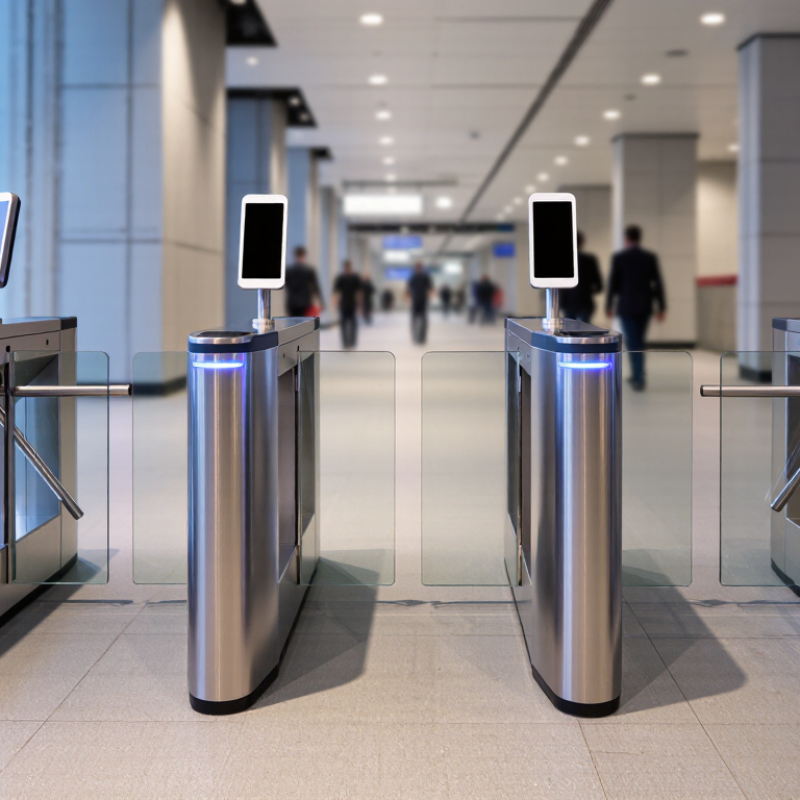
A turnstile gate is a controlled passage point for pedestrians. It allows one person to enter or exit at a time. Common designs include tripod, flap barrier, swing, and full-height models. Each suits different security and traffic conditions.
The gate usually connects with a card reader, QR scanner, biometric device, or ticket system. After approval, the controller unlocks the passage for a set period. Optical sensors confirm movement and help detect tailgating. Some systems trigger an alert when two people pass together. This control feels simple, but accurate sensor alignment matters greatly.
In commercial buildings, staff scan access cards near waist height. The barrier opens, then closes after the person crosses. A central platform can record entry times, user identities, and rejected attempts. These records support attendance reviews and incident checks. During an emergency, the gate should support safe evacuation through an approved release function. Local fire and accessibility requirements still need professional verification.
In field inspections, poor installation causes many avoidable failures. Uneven floors, weak network signals, and badly positioned readers can reduce reliability. No design is perfect. Designers should consider queues, luggage, wheelchairs, and maintenance space before selecting equipment. A high-security gate may slow visitors unnecessarily, while a fast gate may need stronger monitoring. Careful testing with real users often reveals problems that drawings miss.
Selecting a turnstile gate starts with the site’s security risk, traffic volume, and user profile. Tripod turnstiles suit offices, gyms, and staff entrances with moderate control needs. They offer reliable passage detection and usually require limited floor space. However, their open lower area may not deter users who attempt to pass beneath the arms.
Optical speed gates provide faster movement for corporate lobbies, transport hubs, and high-volume facilities. Infrared sensors detect unauthorized passage without physical barriers. Full-height turnstiles deliver stronger perimeter control for warehouses, utilities, and restricted campuses. They create a narrow, enclosed passage and reduce tailgating opportunities. Glass barriers improve visibility, while stainless steel versions often withstand harsh outdoor conditions better.
The specification matters.
In practical site reviews, access control integration is often more important than appearance. The gate should communicate with card readers, biometric devices, alarms, and emergency release systems. Accessibility also needs careful planning. A wheelchair lane, clear approach space, and safe evacuation function should be included before installation. Local standards may differ, so buyers should request tested documentation and confirm service support.
A faster gate is not always a safer gate. Poor sensor alignment, weak foundations, or confusing user instructions can reduce real-world performance.
I have seen attractive installations fail because maintenance access was ignored.
That detail deserves more attention.
Choosing a turnstile gate manufacturer requires more than comparing online prices. Examine factory experience, engineering capacity, and documented project performance. Ask for test reports, installation records, and references from sites with similar traffic.
A reliable supplier should explain lane width, cabinet materials, motor life, and access-control compatibility. Request a sample unit or live factory demonstration. Watch the gate complete repeated cycles without unusual vibration or delayed locking. Check whether the system supports QR codes, cards, biometrics, and emergency release signals. Integration matters.
Evaluate quality control through an audit, not polished photographs. Confirm inspection points for welding, sensors, wiring, and surface finishing. Stainless steel may look identical, yet grade and treatment affect outdoor durability. Ask how replacement parts are stocked and how remote support handles a failed sensor at midnight.
Compare warranty terms, response times, software update policies, and commissioning support. A manufacturer should provide clear drawings and installation guidance before purchase. References are useful, but they can be selective. Visit an operating site when possible, or request unedited maintenance records.
No supplier is flawless. Some attractive proposals hide slow customization or weak documentation. A practical evaluation should record these gaps, assign risks, and leave room for technical questions. The best choice is usually the manufacturer that answers difficult questions clearly, accepts reasonable testing, and improves after criticism.
Top Turnstile Gate Manufacturers for Global Buyers
Global buyers should evaluate turnstile gate manufacturers through performance, service, and documented experience. A reliable manufacturer explains access control compatibility, throughput, emergency release, and maintenance requirements clearly. Product specifications should include lane width, operating speed, cabinet material, and protection ratings. Vague promises create expensive problems later.
Look for manufacturers with tested systems in airports, offices, stadiums, and transport facilities. Real project experience matters. Ask for installation photographs, commissioning records, and references from comparable environments. A busy lobby may need optical lanes, while a factory entrance may require robust tripod or full-height designs. Local voltage, climate, and networking standards also affect the final selection.
Factory quality control deserves close attention. Inspect welding, surface treatment, sensor placement, and motor noise. Request test procedures for repeated cycles and emergency access. Spare parts should remain available, with clear response times for remote and on-site support. No supplier gets everything right. A careful buyer should question unusual lead times, inconsistent drawings, or missing compliance documents. Even a polished sample can hide weak after-sales support. That detail is easy to overlook. We have seen projects delayed by simple interface mismatches, not major mechanical failures. Manufacturers willing to discuss those risks usually demonstrate stronger technical judgment and more dependable cooperation.
2026 Top Turnstile Gate Manufacturers for Global Buyers
International purchasing begins with evidence, not attractive product photos. Experienced buyers request factory audits, production records, material specifications, and recent project references. A reliable manufacturer explains lead times clearly and identifies parts vulnerable to shipping damage. Ask for test reports covering cycle endurance, emergency release, access control interfaces, and electrical safety. Documents must match the exact model ordered. Small differences matter.
Compliance changes by destination. Manufacturers should provide region-appropriate declarations, wiring diagrams, labels, and installation manuals. Buyers should confirm local requirements with a qualified consultant, especially for fire exits, accessibility, data protection, and public buildings. A certificate alone is not enough. I have seen projects delayed because the supplied gate met a general standard but failed a site-specific requirement. That mistake was preventable.
Installation support should continue after delivery. Useful suppliers offer foundation drawings, cable schedules, remote commissioning, and trained local technicians. Their support team should answer during the buyer’s working hours, not only after several days. Spare parts lists need practical details, including quantities, codes, and replacement intervals. Keep a sample unit? Sometimes it exposes alignment and noise issues early. Manufacturers should welcome that feedback, even when it reveals an imperfect design. Long-term reliability depends on maintenance training, response times, and honest communication, not simply a low purchase price.
Global purchasing priorities for compliance, installation, delivery, and after-sales support
The evaluation model uses a 100-point procurement framework: compliance and safety 30%, product reliability 25%, international purchasing capability 20%, installation and integration 15%, and technical support 10%. Buyers should verify certification scope, local regulations, site conditions, and service coverage before purchasing.