How to Use Aerogel Blanket for Insulation and Energy Efficiency?
In the quest for sustainable living, the need for effective insulation has never been greater. The Aerogel Blanket stands out as an innovative solution to improve energy efficiency in various applications. According to the U.S. Department of Energy, building energy consumption accounts for nearly 40% of the total energy use in the United States. This staggering statistic highlights the urgency of adopting advanced materials like Aerogel Blanket, which can reduce heat loss dramatically.
Aerogels are known as the world’s lightest solid, providing excellent thermal insulation properties. Reports indicate that Aerogel Blankets can reduce heat transfer by up to 90%, making them far more effective than traditional insulation materials. However, implementation can be challenging. The high initial costs and the need for proper installation techniques often pose barriers to widespread use. Some might question if the benefits truly outweigh these concerns.
Despite these obstacles, the potential of Aerogel Blanket in reducing energy bills and carbon footprints cannot be overlooked. As we strive for a greener future, embracing such materials could pave the way for significant improvements in energy conservation. Reflecting on these advancements can lead to better practices and a more sustainable society.
What is Aerogel and Its Unique Properties for Insulation?
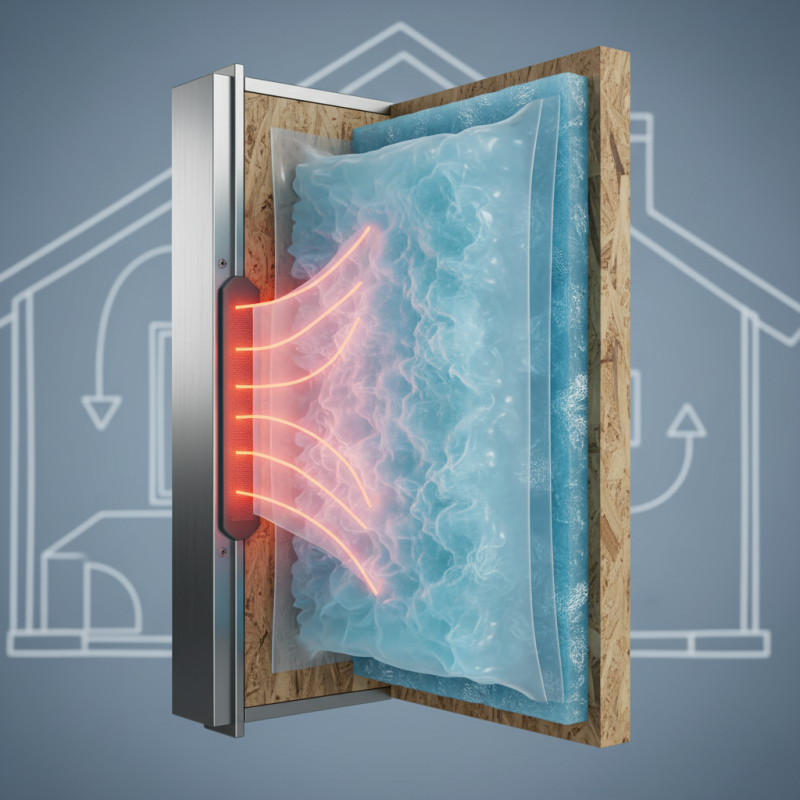
Aerogel is a remarkable material known for its unique insulation properties. Often dubbed "frozen smoke," it is an ultra-light solid that contains up to 99.8% air. This structure makes aerogel an exceptional insulator. According to the National Aeronautics and Space Administration (NASA), aerogel can reduce thermal conductivity to as low as 0.013 W/m·K. This means it is far more effective than traditional insulation materials like fiberglass or foam.
One of the key benefits of aerogel is its ability to withstand extreme temperatures. Studies show it can operate effectively in both very high and very low heat environments. It remains stable from -200°C to over 600°C. This is particularly useful in various applications, such as aerospace and energy efficiency in buildings. The versatility of aerogel presents exciting opportunities for enhancing energy conservation.
**Tip:** When considering insulation, account for the entire structure, not just the walls. Proper sealing can vastly improve the effectiveness of aerogel blankets.
Another important aspect to reflect on is cost. While aerogel offers superior insulation, it can be expensive compared to conventional options. As a result, weighing the long-term energy savings against initial investment is crucial. Quality installations can mitigate financial concerns.
**Tip:** Always aim for professional installation to maximize aerogel's benefits. Poor application can lead to inefficiencies and performance issues.
How to Use Aerogel Blanket for Insulation and Energy Efficiency?
| Property | Value | Significance |
| Thermal Conductivity | 0.013 - 0.020 W/mK | Excellent thermal insulation |
| Density | 1.5 - 3.0 kg/m³ | Lightweight, reduces structural load |
| Fire Resistance | Up to 650°C | High fire safety |
| Water Absorption | <1% | Resistant to moisture |
| Sound Absorption Coefficient | 0.90 | Effective in reducing noise |
Types of Aerogel Blankets and Their Applications in Building Projects
Aerogel blankets are becoming popular for insulation in building projects. There are various types of aerogel blankets available. Each type has unique properties suited for different applications.
For instance, flexible aerogel blankets are ideal for retrofit insulation. They can easily fit in tight spaces. These blankets provide excellent thermal resistance while remaining lightweight.
In contrast, rigid aerogel sheets are better for new constructions. They offer superior insulation but are less versatile than their flexible counterparts.
Another type is the hydrophobic aerogel blanket. This variation repels moisture, making it perfect for humid environments. However, it can be challenging to install. Users may struggle with securing the edges properly.
Each type of aerogel blanket comes with its benefits and challenges. Consider the specific needs of your project before making a choice.
Step-by-Step Guide to Installing Aerogel Blankets for Optimal Efficiency
Installing aerogel blankets can significantly improve your home's insulation and energy efficiency. Start by gathering your materials: aerogel blankets, adhesive, and basic tools. Measure the area you want to insulate, allowing some extra material for adjustments. Cutting the aerogel blanket requires precision. A utility knife works well, but uneven cuts can waste material.
Once cut, apply the adhesive to the surface. It must be even, so the blanket adheres properly. Carefully position the aerogel blanket on the prepared surface. Take your time; rushing can lead to bubbles and gaps. Ensure a snug fit around edges. These small details matter for optimal insulation.
As you finish, inspect for imperfections. Uneven layering can affect efficiency. If you notice gaps, consider additional adhesive or supplementary materials to seal them. Proper installation is critical. Reflect on the process. Did you measure accurately? Was the adhesive applied evenly? Taking these steps will enhance insulation quality and reduce energy costs effectively.
Energy Efficiency by Insulation Material
Comparing Aerogel Insulation with Traditional Materials for Energy Savings
Aerogel insulation offers unique advantages over traditional materials. Its lightweight structure provides superior thermal resistance. This means smaller volumes can achieve greater energy efficiency. For instance, aerogel has a much lower thermal conductivity than fiberglass or foam. This can lead to significant energy savings in homes and buildings.
However, aerogel is not without its challenges. The material can be brittle, making installation tricky. Proper handling is essential to avoid damage. Some may find the initial cost daunting compared to conventional options. While aerogel can save money long-term, the upfront investment is something to consider carefully.
Furthermore, while it effectively insulates, aerogel might not be suitable for every application. Its performance in extreme conditions still needs more research. Understanding both pros and cons is crucial for effective use. Comparing aerogel with traditional insulators shows a clear benefit, yet it also highlights areas needing careful evaluation before making a switch.
Maintaining Aerogel Blankets for Long-Term Performance and Durability
Maintaining aerogel blankets is crucial for energy efficiency. These blankets can last a long time if properly cared for. Regular inspection helps prevent moisture accumulation. Studies show that aerogel exhibits superior thermal resistance, with values near 0.013 W/m·K. However, improper handling can lead to degradation and reduced performance.
Dust and dirt can accumulate on the surface. Cleaning should be done gently to avoid damage. Utilizing a soft brush or compressed air can effectively remove debris without harming the material. Note that aerogel is fragile. Any significant force might compromise its structure.
Storing aerogel blankets when not in use is also important. They should be kept in a dry environment to maintain their properties. Humidity can lower their insulation capability. According to industry guidelines, maintaining a relative humidity below 60% is ideal. Understanding these aspects can ensure that aerogel blankets perform effectively and last longer.