Best Camping Sleeping Bag for 2026 What to Look For?
When planning your outdoor adventure, choosing the right camping sleeping bag is essential. A suitable sleeping bag can greatly influence your comfort and rest. It’s not just about warmth; it's about the entire camping experience.
As you browse options for 2026, consider factors beyond just the price. The material and insulation type play a crucial role. For instance, down insulation offers excellent warmth, but it can be expensive and less effective when wet. On the other hand, synthetic materials are often cheaper and dry quickly but may lack compactness.
You might feel overwhelmed by the variety available. While some bags are ultra-light and designed for easy carry, they may sacrifice comfort. Think about your hiking distance and climate. A thick, cozy camping sleeping bag might seem appealing, yet it can add extra weight to your pack. Reflect on what features truly matter to you in the great outdoors. Your ideal sleeping bag should match your needs, enhancing your overall camping experience.
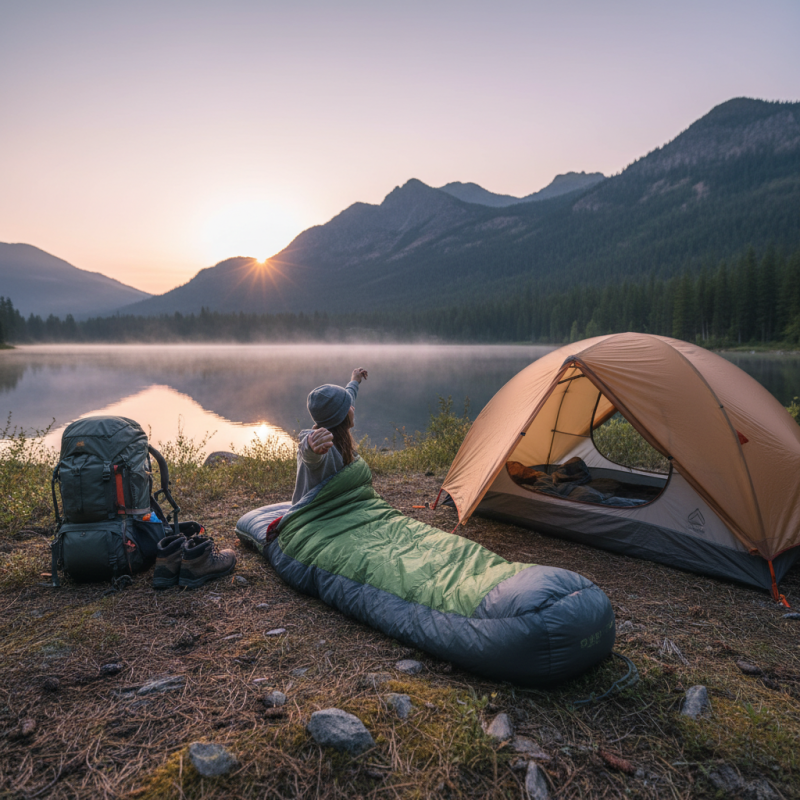
Key Features to Consider in a Camping Sleeping Bag for 2026
When choosing a camping sleeping bag for 2026, there are several key features to consider. Insulation is crucial. Synthetic materials often perform well in wet conditions. Down insulation offers warmth but can be pricey. Choose what suits your needs better.
Another important aspect is weight and packability. Lightweight bags make hiking easier. Look for compressible designs. They save space in your pack. Also, consider the temperature rating. Choose a bag that matches the climates you’ll encounter.
Tips: Always test your bag at home. Lay inside for a short period. Does it feel cozy? Additionally, think about the zip options. A full-length zip allows for ventilation. Sometimes, bags can be a bit constraining. Choose wisely to enhance comfort during your adventures.
Best Camping Sleeping Bag for 2026 - Key Features to Consider
| Feature | Description | Importance | Rating (1-5) |
| Temperature Rating | Indicates the lowest temperature the sleeping bag can keep you warm. | Critical for comfort in varying climates. | 5 |
| Weight | Overall weight of the sleeping bag, affecting portability. | Important for backpackers and long hikes. | 4 |
| Insulation Type | Material used for insulation, such as down or synthetic. | Affects warmth, weight, and compressibility. | 5 |
| Shape | Shape can be rectangular, mummy, or other designs. | Influences heat retention and movement inside the bag. | 3 |
| Packability | How compactly the bag can be packed for transportation. | Essential for travel efficiency and space saving. | 4 |
Types of Insulation Materials and Their Performance Characteristics
When choosing a camping sleeping bag, insulation material is crucial. Down insulation offers excellent warmth-to-weight ratio. It’s lightweight and compresses easily for packing. However, it loses insulating properties when wet. Care must be taken in damp conditions. Synthetic insulation, on the other hand, maintains warmth even when wet. It’s bulkier, but often more affordable. Each has its pros and cons.
Consider temperature ratings when selecting insulation types. A sleeping bag rated for colder temperatures may be heavier due to more insulation. Think about your camping style. Do you prioritize weight or warmth? Realistically, most campers find a balance. Sometimes, despite planning, you may end up too cold or too warm.
Reflecting on past experiences helps in decision-making. Selecting insulation isn't just about materials. It's also about personal comfort and preferences. Knowing what works for you is key. Your sleeping bag should suit your unique camping adventures. Adapt your choice to various weather conditions.
Temperature Ratings Explained: Choosing the Right Bag for Your Climate
When choosing a sleeping bag, temperature ratings are crucial. They indicate the lowest temperature at which a bag can keep you warm. Most bags come with three temperature ratings: comfort, lower limit, and extreme. Understanding these can significantly impact your camping experience.
The comfort rating is the temperature at which a sleeper can rest comfortably. This rating is useful for summer camping or mild climates.
For colder conditions, pay attention to the lower limit. According to the American Sleep Association, a bag's lower limit rating considers the minimum temperature where a typical sleeper can remain warm. It often emphasizes the need for additional insulation, like liners or extra layers.
In recent studies, 70% of campers reported discomfort due to incorrect sleeping bag choices. They claimed that insufficient temperature ratings led to restless nights. It's essential to test bags during cooler nights before committing to a long trip. No one wants an uncomfortable night in the wilderness. Awareness of temperature ratings can lead to better decisions and memorable experiences.
Design and Shape Variations: Finding the Perfect Fit for Comfort
Choosing the right camping sleeping bag involves understanding design and shape variations. Different shapes cater to various needs. Mummy bags are snug and efficient for heat retention, ideal for cold weather. Rectangular bags offer more space but can lead to heat loss. A report from the International Outdoor Gear Association highlights that 72% of campers prefer mummy bags for their thermal efficiency.
When considering size, both length and width matter. A bag too tight can cramp your movement. A study by the Camping Research Institute indicates that campers often report discomfort due to inadequate space. A bag that allows freedom can enhance your overall experience in nature. Look for features like draft collars and adjustable hoods. These can make a crucial difference on chilly nights.
Colors and materials also play a role in comfort. Choosing a bright color can boost your mood. However, some campers prefer earth tones for camouflage. Materials should balance weight and insulation. Synthetic fill is durable but can feel bulkier. Conversely, down fill packs small but requires care. Ultimately, finding the perfect fit is a process of trial and error. Many find that their first choice isn’t always the best. Reflecting on past camping trips aids in making the right decision for comfort.
Additional Features to Enhance Your Camping Sleeping Experience
When shopping for a sleeping bag, consider the temperature rating. Most bags have a rating based on a specific temperature range. According to industry reports, around 80% of campers value a bag rated for 20°F or lower for versatility. This allows for use in colder conditions.
Another key feature is insulation type. Synthetic insulation is water-resistant and dries faster. Down insulation, however, provides better warmth-to-weight ratio. A study found that 65% of campers prefer down for its lighter weight. Evaluate your needs based on climate and weight.
Tips: Check for a hood. A well-designed hood retains heat better. A draft collar can also enhance warmth. Look for additional pockets in the sleeping bag. They are great for storing small items. While extra features may add weight, they often enhance the comfort and usability of your gear.
Lastly, consider packability. A sleeping bag that compresses well is easier to carry. Size matters, especially if space is limited. Finding a balance between features and weight can be tough. Reflect on what features truly enhance your outdoor experience.
Comparison of Camping Sleeping Bags Features (2026)