Garage Openers - PFC CONTROLS | Miami, Gate Operators, Sliding Gate, Swing Gate, Intercoms, Turnstiles, Bollards, Barrier gate

MENU
Go to content

How to Choose the Right Machine Safety Guard?

Choosing a Machine Safety Guard starts with understanding how people, machines, and materials interact on the shop floor. A guard should prevent access to dangerous moving parts without creating new risks or disrupting essential work. Consider the machine’s operating speed, stopping time, task frequency, and the distance operators must reach. A rotating shaft, a stamping press, and a conveyor each present different hazards. The right solution depends on the actual task, not just the machine’s name.

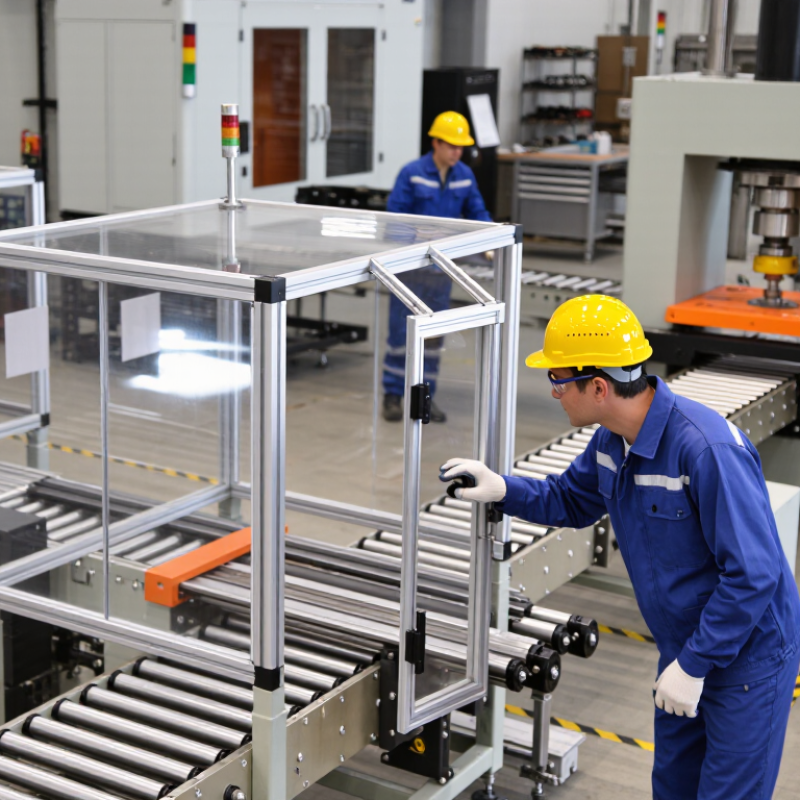
Look closely at the working environment. A fixed steel enclosure may suit a machine that needs little access, while a hinged or sliding guard can help where regular adjustments are required. Transparent panels can improve visibility, but they must withstand impact, heat, and cleaning chemicals present at the site. Small details matter. Hinges, fasteners, gaps, and sharp edges affect both safety and everyday use. Where access must stop the machine, consider whether an interlocked guard is appropriate, and have its design assessed by a qualified safety professional. It should not be treated as a substitute for risk assessment or safe work procedures.

A practical guard is one workers can use correctly, maintain, and inspect. Check visibility, cleaning access, emergency response needs, and compatibility with the production process. Confirm that the design follows applicable safety standards and the machine manufacturer’s guidance. No single guard fits every situation. A careful site review can reveal awkward reach points or maintenance habits that a drawing misses. That review may feel slow, but overlooking one small access point can undermine the whole design.
How to Choose the Right Machine Safety Guard?

Understand the Machine’s Hazards and Operating Conditions

A machine guard should respond to the hazards people can actually encounter, not just the machine’s appearance. Watch the full work cycle: a rotating shaft may catch clothing, while a press can create a crushing point during each stroke. Also note flying chips, hot surfaces, sharp edges, and unexpected movement during setup or cleaning. Small details matter.

Operating conditions shape the guard’s design. Record how often operators load parts, clear jams, adjust tools, and inspect the work. A fixed barrier may suit an area that needs little access, while frequent access may call for an interlocked movable guard. The choice depends on the task and the machine’s risks. Visibility matters, too: a panel that hides the work may tempt someone to open it. Dust, oil, vibration, washdown, and temperature changes can also affect materials, fasteners, and sensors over time.

Observe the machine during real shifts, not only during a brief demonstration. Ask operators where they stand and what they reach toward; their habits may reveal hazards missing from a drawing. Then check whether the proposed guard stays secure, allows necessary work, and prevents access to dangerous motion. A detail can be overlooked. Revisit the assessment after process changes, because a new tool or faster cycle may alter exposure.

Assess the Required Level of Risk Reduction

Set the required risk reduction from the hazard, not from the guard already on the machine. ISO 12100:2010 frames risk assessment around the severity and likelihood of harm, including exposure and the chance of avoiding injury. A slow conveyor can still crush a hand at a reachable nip point. Record who approaches it, how often, and during which tasks; jam clearing counts. Then compare fixed barriers, interlocked access doors, and presence-sensing devices. Measure openings, stopping time, and sensor distance from the danger point. A tidy risk matrix can miss an awkward cleaning task. It happens.

The U.S. Bureau of Labor Statistics reported 738 fatal work injuries involving contact with objects and equipment in 2022. This broad category is not a machine-guarding count, but it underlines the need to assess contact hazards carefully.

For safety-related control systems, ISO 13849-1 provides a method for determining the required performance level, or PLr. Apply it to the specific machine and operating conditions. Greater severity, frequent access, or little chance to retreat may call for stronger risk reduction. Don’t infer the required level from one factor alone. Reassess after layout, tooling, or production changes, and ask operators who clear jams what actually happens. Their workarounds are useful evidence, not merely bad habits.

Compare Fixed, Interlocked, and Adjustable Guard Types

When choosing a machine safety guard, start with the hazard and the task, not the catalog photo. A fixed guard suits areas that need little routine access. It can create a sturdy physical barrier around moving parts, such as a belt drive or rotating shaft. But if cleaning requires frequent removal, workers may be tempted to leave it off. Access planning matters.

An interlocked guard is useful when operators need regular access to a hazardous area. Opening the guard triggers a stop signal, though stopping time and control-system design must be assessed for the machine. The door should not swing into a walkway or block a clear view of the work. Test access during setup and maintenance, not just normal production. Interlocks need proper installation and periodic checks.

Adjustable guards can be positioned close to different workpieces, which helps when material sizes vary. For example, a movable opening can limit exposure near a cutting point while allowing the stock to pass. Expect small gaps. Check whether hands or loose clothing could still reach the hazard, and confirm the guard stays in place under vibration. A layout that looks neat on paper may feel awkward with gloves on; noticing that early is useful. No guard type is automatically best. The right choice depends on access frequency, machine motion, and how people actually work.

Select Guard Materials and Access Features

How to Choose the Right Machine Safety Guard?

Choose guard materials by considering the hazard, work environment, and required visibility. Steel or other robust metal can suit areas exposed to impact, while clear panels can help operators monitor a process. Visibility matters. A transparent panel may scratch, cloud, or become difficult to clean, so check how it holds up to daily use. Mesh can provide airflow, but its openings must not allow access to moving parts. Match the opening size and guard position to the specific hazard.

Tips: Check the panel under the actual lighting conditions. Confirm that hinges and latches allow routine access without making it easy to bypass the guard. Keep access practical.

Maintenance access deserves equal attention. A hinged door may work well for frequent inspections; a removable panel may suit less frequent service. Consider where tools, hands, and replacement parts need to fit. Guards should remain secure during operation, and any access-control devices should be selected and installed as part of a suitable safety system. A tidy design on paper can still frustrate technicians in the shop. Revisit the layout with the people who clean and maintain the machine. Their feedback may reveal a detail the drawing missed.

How to Choose the Right Machine Safety Guard? — Select Guard Materials and Access Features

Guard Type and Material Visibility Typical Strengths Access Features to Consider Suitable Applications Important Considerations
Welded steel mesh panel High; allows operators to see through the enclosure Rigid, durable, and suitable for enclosing many moving or hazardous areas Hinged access door with a safety interlock; removable panels for infrequent maintenance Perimeter guarding around production machinery, robots, and material-handling equipment Mesh opening size and distance from the hazard must be selected to prevent reach-through access. Protect cut edges and damaged coatings from corrosion.
Solid steel sheet Low; blocks the view of the process Provides a robust barrier and can help contain debris, subject to the machine’s risk assessment and guard design Hinged or sliding interlocked door where routine access is needed; bolted panel where access is infrequent Areas with flying chips, sparks, or a need to separate operators from a process Account for impact loads, ventilation, visibility needs, and the potential for sharp edges. A solid panel is not automatically suitable for containing every type of ejected material.
Polycarbonate viewing panel High when clean and undamaged Allows process observation without opening the guard; available in configurations suited to machine enclosures Fixed viewing window, or a hinged interlocked access door where entry is required Enclosures where operators need to monitor a process while remaining outside the safeguarded area Choose material thickness and mounting for the foreseeable impact and operating environment. Check chemical compatibility, scratching, aging, and replacement condition.
Perforated metal sheet Moderate; visibility depends on hole size, spacing, and lighting Rigid metal construction with some airflow through the panel Interlocked hinged door or a secured removable section for service access Machine enclosures where airflow is useful and partial visibility is acceptable Openings must be assessed for reach-through risk and safe distance. Do not assume that airflow openings are safe simply because they are small.
Aluminum framing with mesh or clear infill High with mesh or transparent infill Modular construction can make layouts and panel replacement easier Configured with hinged or sliding access doors; use suitable interlocking where required by the risk assessment Reconfigurable production areas and machinery that may need layout changes Check frame joints, fasteners, panel retention, and resistance to expected loads. A modular frame still needs secure installation and appropriate guarding dimensions.
Stainless steel sheet or mesh Depends on whether the panel is solid or mesh Corrosion resistance can be useful in wet or washdown environments Hinged interlocked door for regular access; sealed or secured removable panels where appropriate Food, pharmaceutical, or other environments with frequent cleaning, when compatible with the machine and process Specify a finish and construction compatible with cleaning agents and hygiene requirements. Consider crevices, drainage, and the effects of cleaning on interlock components.
Fixed panel with bolted fasteners Depends on the selected panel material Simple, secure option for areas that do not require frequent operator access Use tool-removable fasteners; consider a monitored interlock if the risk assessment requires monitoring when the panel is removed Infrequently accessed areas, such as service zones or machine sides Panels should not be routinely removed for production tasks. Plan safe isolation and access procedures for maintenance.

Selection note: Choose guard material, openings, mounting, and access controls through a machine-specific risk assessment. Guard design and safety distances should follow applicable regulations and standards; an interlock does not replace safe stopping, isolation, or other required protective measures.

Check Applicable Standards, Installation, and Maintenance Needs

Before choosing a machine safety guard, identify the hazards around the equipment, including moving parts, ejected material, and unexpected access. Check applicable safety standards and local requirements for the machine type and workplace. Requirements can differ, so confirm them with a qualified safety professional rather than relying on a familiar design. A guard should reduce exposure without creating new risks, such as sharp edges or blocked emergency access.

Installation matters. Measure the machine and nearby work area, then check clearances with the equipment in its normal operating positions. Fixed guards need secure fasteners; movable guards may require an interlock that stops hazardous motion when opened. Small gaps matter. Test access points with the actual tools and materials operators use. A design that looks suitable on paper may obstruct cleaning or routine adjustments. That trade-off deserves another look.

Plan maintenance before installation. Decide who will inspect the guard, how often checks will occur, and how damage will be reported. Look for loose bolts, cracked panels, worn hinges, and misaligned interlocks. Keep replacement parts and inspection records accessible. Maintenance should follow the equipment maker’s instructions and site procedures. In practice, schedules sometimes slip, so make checks brief and easy to document. A guard that is difficult to inspect may not stay reliable.

PFC CONTROLS
1638 NW 108TH AVE. MIAMI, FL 33172
Sales: (305) 593-0227
Tech: (305) 546-3965

Copyright, All rights reserved
Back to content