Choosing a Sliding Gate Motor in 2026 requires more than checking a motor’s advertised weight capacity. A quiet showroom gate may behave differently after months of rain, dust, freezing temperatures, or daily deliveries. The right choice depends on the gate’s weight, length, movement resistance, and expected opening cycles.
Measure the gate carefully. A 400-kilogram steel gate needs different support than a lighter aluminum model. Check the track, rollers, hinges, and ground level before selecting the motor. Even a powerful unit may struggle when a roller is damaged or the track collects gravel. I have seen buyers focus on motor strength while overlooking poor gate alignment.
Modern systems may include soft start, obstacle detection, battery backup, remote access, and solar compatibility. These features sound useful, but they should match real operating conditions. A residential gate opening ten times daily does not need the same configuration as a busy commercial entrance. Weather resistance also matters, especially where moisture reaches the control box.
Safety should guide every decision. Look for clear installation instructions, dependable sensors, manual release access, and professional commissioning. Local electrical requirements and manufacturer guidance should always be checked. No single Sliding Gate Motor suits every property. Sometimes the most expensive model is unnecessary. Sometimes a cheaper model creates higher repair costs later.
This guide examines practical selection criteria for 2026. It also considers installation quality, maintenance access, energy use, and long-term reliability. Some recommendations may need adjustment after a site inspection. That is not a weakness. It is the honest part of choosing equipment for a real gate.
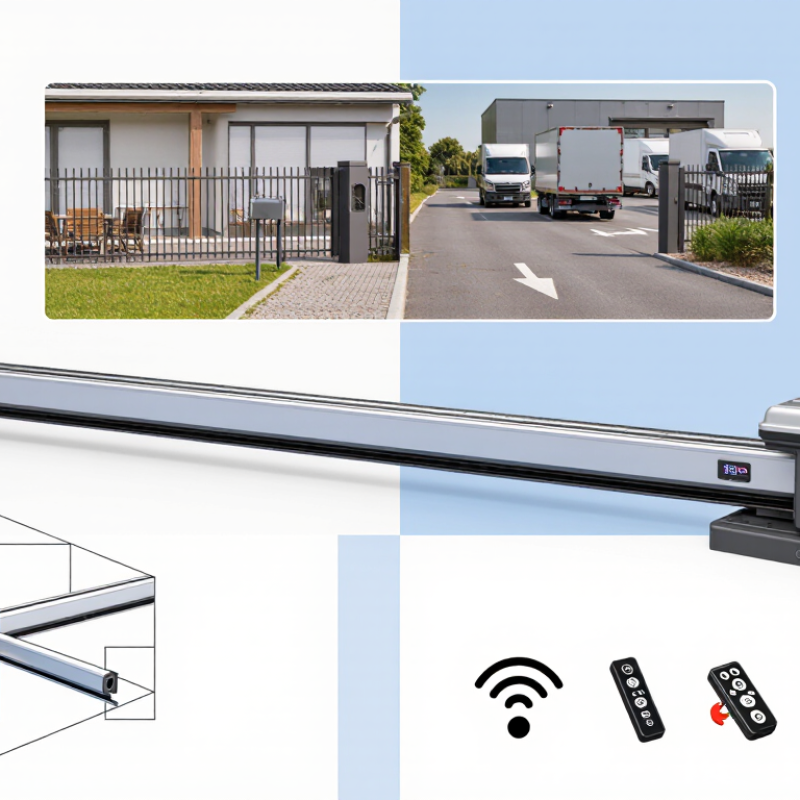
A sliding gate motor moves a gate sideways along a track or cantilever system. Its pinion gear engages a rack fixed to the gate, turning motor rotation into linear movement. The basic principle is simple. The difficult part is matching force and speed to the real gate. A steel gate may roll smoothly in a showroom, then drag after rain, grit, or a slightly misaligned roller. Check the gate’s weight, length, travel distance, and manual rolling resistance before selecting a motor.
Common options include AC motors, DC motors, and DC systems with battery backup. AC units suit frequent use where mains power is reliable. DC motors can offer smoother speed control and backup operation during outages, depending on the system. Gear reduction increases output torque while limiting gate speed. Internal limit switches or magnetic sensors tell the controller where travel should stop; photocells and force-sensitive features help detect obstacles. Installation still matters. A sensor cannot compensate for a gate that binds.
Motor choice also reflects a wider shift toward powered movement. Grand View Research’s 2024 electric motor market analysis estimated the global market at about USD 160.1 billion in 2023, with continued growth projected through 2030. That figure covers many motor applications, not gate operators specifically, so it should not be treated as a gate-market forecast. For a practical comparison, record the gate’s measured draw force and expected daily cycles. I would not size a motor from gate weight alone; real friction is often the overlooked variable.
Start with the gate itself, not the motor’s advertised maximum rating. Check its actual weight and length, then inspect the wheels, track, and alignment. A gate that drags or catches needs repair before a stronger motor is considered. Extra capacity can provide useful headroom, but the right allowance depends on the gate and its operating conditions. Follow the motor maker’s sizing guidance, and have a qualified installer assess unusually heavy or long gates.
Usage matters just as much. A driveway opened a few times each day has different needs from a shared entrance cycling repeatedly. Compare the expected cycles per hour and duty rating, not just pulling force. Site conditions can change the choice: wind exposure, rain, dust, sloping ground, and limited space may affect performance and installation. Measure the clear opening and note where the gate stops. Small details matter. I once underestimated track debris; a few stones caused more trouble than the motor rating suggested.
Tips: Ask for a site assessment and written sizing rationale. Confirm the motor suits the gate’s weight, length, and daily cycle, with appropriate safety features and manual release. Check power access and drainage, too. If conditions change seasonally, mention that before installation. A little uncertainty is normal; record the measurements and assumptions rather than guessing.
How to Choose a Sliding Gate Motor in 2026?
Choosing a sliding gate motor starts with the gate itself. Weigh the gate, measure its length, and check whether it rolls smoothly by hand. A heavy steel gate needs more starting force than a light aluminum one. Allow extra capacity for wind, frequent use, and gradual wear. Oversizing can add cost without solving poor track alignment. That detail is easy to miss.
Speed matters, but faster is not always better. A gate beside a busy driveway may benefit from a shorter opening time, while a quiet residential entrance may not. Check the motor’s duty rating against daily cycles, not just its advertised power. For safety, look for obstacle detection, adjustable force, and photoelectric sensors that stop or reverse movement when someone crosses the opening. Test these features after installation, and keep the sensing area clear. No sensor is a substitute for attentive use.
Tips: Ask an installer to measure the gate’s actual travel force and confirm the motor suits your climate. Compare backup power options and manual release access, too. Keep remotes secure, limit access to trusted users, and review any automatic closing delay. I would not choose on speed alone; real gates can behave differently in rain, grit, or cold.
A reliable choice starts at the power supply, not the motor’s headline rating. Check the available voltage, circuit capacity, cable route, and distance from the power source. A long cable run can cause voltage drop, especially when the motor starts under load. Weigh the gate and inspect its wheels and track, too. A stiff, gritty track makes even a correctly sized motor work harder. IEA’s Electricity 2024 report recorded 2.2% growth in global electricity demand in 2023, with further growth expected through 2026. That is broad energy context, not a gate-motor sizing rule; local supply conditions matter more.
Installation details can change the right specification. Measure gate length and estimate its weight, then account for wind exposure, daily cycles, and slope. Confirm that the foundation is level and strong enough for the motor base. Leave room for safe access, drainage, and manual release. Small details. They get missed. If the site has frequent outages, ask an installer whether a compatible backup supply is practical, and how often it needs testing.
Smart controls should fit the people and network using them. Check whether the system supports secure user access, activity logs, and alerts for faults or obstruction. Test phone control at the gate, not just beside the router. Walls and metal enclosures can weaken wireless signals. NIST’s IoT cybersecurity guidance recommends capabilities such as device identification, secure configuration, and data protection. Those are useful questions for a supplier. Still, remote access is not a substitute for properly installed safety devices or routine checks. I’d verify the setup in person; specifications can sound tidier than a real driveway.
How to Choose a Sliding Gate Motor in 2026?
A sliding gate motor should fit the gate’s real workload, not just its listed maximum capacity. Check the gate’s weight, length, and daily opening frequency. A gate that feels smooth by hand can still strain a motor if its track is uneven or clogged with grit. That detail is easy to overlook. In practice, a quick track inspection can prevent unnecessary wear.
Maintenance needs and durability matter over years of use. Ask whether the motor’s gears, limit settings, and weather seals can be inspected or replaced without removing the whole unit. Look for clear guidance on service intervals and parts availability. A strong warranty is useful, but read what it excludes, including damage from poor installation or neglected maintenance. Warranty terms can be less generous than they first appear. Compare the expected repair costs and energy use, too, rather than judging value by purchase price alone.
Tips: Before buying, note how many times the gate opens on a busy day. Check the track after rain, and listen for scraping or uneven movement. Get the motor and installation costs in writing. I would not assume a higher-capacity model is automatically better; oversized equipment can add cost without solving a poor-track problem. Keep some budget for setup and maintenance.