What Is a Smart LED Light and How Does It Work?
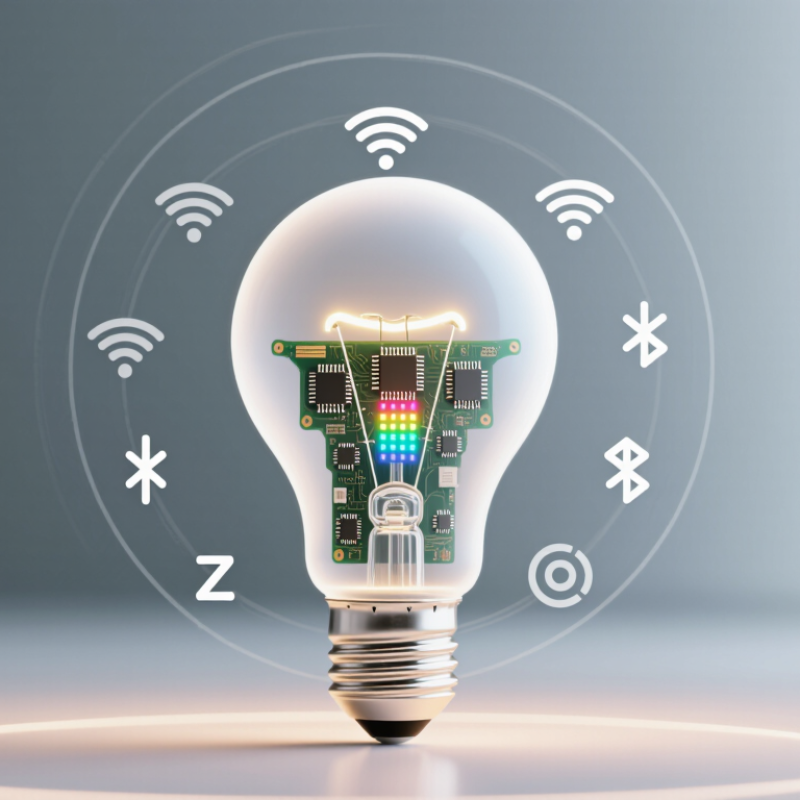
A Smart LED Light is more than a bulb with a brighter marketing label. It combines an energy-efficient light-emitting diode with a small control system. That system may include Wi-Fi, Bluetooth, Zigbee, or another wireless standard. Through an app, voice assistant, remote, or wall switch, users can adjust brightness, color temperature, and sometimes millions of colors. Some models also respond to motion, schedules, or changing daylight.
The basic process is practical and surprisingly compact. Electrical current reaches the LED components, while an internal driver regulates power and protects the circuit. A microcontroller receives commands from the app or connected hub. It then changes the current flowing through different LED channels. Warm white and cool white channels create adjustable color temperatures. Red, green, and blue channels produce colored light. A little technology, doing visible work.
However, “smart” does not always mean better. A budget model may require a cloud account, lose features without internet, or respond slowly in a crowded wireless network. Privacy settings, app permissions, standby energy use, and software support deserve careful attention. In my practical assessment, a reliable Smart LED Light should provide stable connections, accurate brightness control, clear safety information, and long-term compatibility. Energy savings also depend on daily use, not the product label alone. This guide explains how these lights work, what components they contain, and which performance claims deserve closer examination. Some details remain easy to overlook. That is precisely why careful comparison matters.
What Is a Smart LED Light?
A smart LED light is an energy-efficient lamp with digital controls. It can connect through Wi-Fi, Bluetooth, or a compatible home hub. This connection lets you adjust brightness, color temperature, and sometimes color from an app or voice command. Unlike a standard LED bulb, it can follow schedules, respond to sensors, or imitate sunrise gradually. The LED still produces light through a semiconductor, while a small control circuit manages wireless instructions.
In practical use, setup usually involves pairing the light, assigning a room, and testing commands. A scheduled hallway light can turn on before you arrive home. A dim warm setting may feel more comfortable before sleep. Some lights continue basic operation when the internet fails, but advanced features may stop. This detail is easy to overlook. Smart controls also consume a small amount of standby power, even when the light appears off. Check the product’s technical information rather than trusting vague efficiency claims.
Tips: Choose a model with clear privacy settings and reliable manual controls. Place the light where the wireless signal remains stable. Test schedules for several days, because time zones and daylight changes can cause unexpected behavior. Avoid installing connected lights in damp areas unless their safety rating allows it. A simple setup is often more dependable than using every available feature.
What Is a Smart LED Light and How Does It Work?
A smart LED light combines energy-efficient light-emitting diodes with wireless connectivity, allowing users to control brightness, color, schedules, and automation through an app, voice assistant, or smart-home hub.
This comparison shows the typical power needed to produce approximately 800 lumens, a brightness level similar to a traditional 60-watt incandescent bulb. Smart LED lights generally use about 10 watts while adding connected-control features.
How to Set Up and Operate a Smart LED Light
What Is a Smart LED Light and How Does It Work?
How to Set Up and Operate a Smart LED Light
A smart LED light connects to a home network or nearby phone through wireless technology. It receives commands from an app, remote control, or compatible voice assistant. Unlike a standard bulb, it can adjust brightness, color temperature, and operating times. The exact features depend on the light’s hardware and software.
Before installation, check the socket type and fixture power rating. Turn off the wall switch, then install the light with dry hands. Restore power and open its control app. Create an account if required, select “add device,” and follow the pairing instructions. Many lights need a 2.4 GHz network, not a 5 GHz connection. Keep the phone close during setup.
Pairing may fail.
I experienced this when the light was installed too far from the router. Moving it closer solved the problem, although the first setup took several minutes. Give the light a clear name, such as “desk lamp,” to prevent mistakes. Test the power, brightness, and color controls before mounting it in a difficult location.
Use schedules for practical routines. A hallway light can turn on at sunset and dim at bedtime. Avoid setting maximum brightness in a child’s room, because glare can be uncomfortable. Voice commands are convenient, but physical switches remain useful when the network is unavailable. Firmware updates can improve reliability, yet they may occasionally reset personal settings. Check the app after each update.
What Features and Benefits Do Smart LED Lights Offer?
A smart LED light combines an efficient light-emitting diode with wireless controls and built-in software. It can connect through Wi-Fi, Bluetooth, or a compatible home hub. Users may adjust brightness, color temperature, and sometimes color from an app or voice interface. A warm setting can soften a bedroom at night, while cooler white light can improve visibility over a kitchen counter. No magic required.
Useful features include schedules, timers, motion detection, and gradual wake-up scenes. A hallway light can turn on when movement is detected, then switch off after several minutes. Dimming also helps reduce unnecessary energy use, although savings depend on usage habits and electricity rates. In my experience, preset routines are more practical than changing colors constantly. They quietly improve daily comfort.
Remote control can help people check lights before leaving home, but it should not be treated as a complete security system. Some models continue drawing small amounts of standby power, and cloud-dependent functions may fail during an internet outage. Setup can also be frustrating when pairing instructions are unclear. Reliable performance depends on strong network coverage, regular software updates, and suitable fittings. Privacy deserves attention too, especially when microphones or occupancy sensors are included. A simple local-control option is often worth having.