2026 Best Electric Gate Kit for Global Buyers?
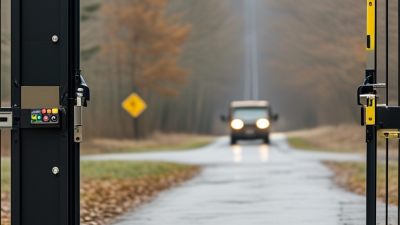
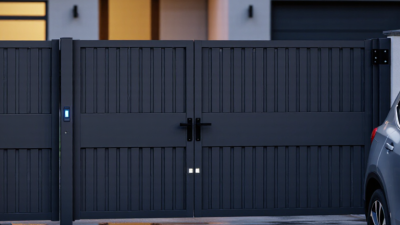
Choosing the 2026 Best Electric Gate Kit for Global Buyers requires more than comparing prices. A dependable Electric Gate Kit must match the gate’s weight, width, opening frequency, and local climate. A lightweight residential gate needs different power than a heavy steel driveway gate. Coastal buyers should also consider corrosion resistance, sealed control boxes, and stainless-steel hardware.
This guide examines motor strength, safety sensors, battery backup, remote access, installation requirements, and long-term maintenance. It also considers voltage compatibility, spare-part availability, and technical support across different regions. These details matter when a replacement component must travel thousands of miles. Product certifications should be checked carefully, because requirements vary between countries and installation environments. Certification alone does not guarantee a suitable installation.
Real-world performance can be less perfect. A powerful motor may still struggle with poor hinges or uneven ground. Wireless controls may lose reliability through thick walls or metal fencing. Solar charging can weaken during long cloudy periods. These limitations deserve honest attention, not marketing language. Buyers should confirm gate measurements and consult a qualified installer before ordering. A professional assessment can prevent unsafe operation, repeated repairs, and unnecessary costs.
The strongest choice is not always the most expensive model. It is the kit that offers suitable capacity, clear documentation, dependable safety features, and accessible support. This comparison provides practical criteria for homeowners, contractors, and distributors seeking a reliable solution for 2026. Regional compatibility remains essential. A careful decision today can make daily access smoother for years.

What an Electric Gate Kit Includes and How It Works
An electric gate kit is a coordinated access system, not just a motor in a box. Most kits include one or two actuators, a control board, remote controls, safety sensors, wiring, mounting brackets, and a manual release. Some also include warning lights and keypad connections. Always check the package list carefully. Missing brackets can delay installation.
The motor moves the gate through an actuator, while the control board manages opening, closing, and stopping. When you press a remote button, the receiver sends a signal to the controller. The controller powers the actuator for a set movement period. Limit switches or position sensors then help stop the gate accurately. During closing, safety photocells detect a person, vehicle, or object and interrupt movement.
In field installations, alignment matters more than many buyers expect. A heavy gate with stiff hinges can overload a suitable motor. I have seen small setup errors cause noisy movement, uneven stopping, and repeated controller faults. The gate should move smoothly by hand before power is connected. Weather protection also matters, especially in coastal or rainy areas. Choose sealed enclosures and suitable cable protection. Keep the manual release accessible during a power cut. Battery backup is useful, but its capacity depends on gate weight, usage, and climate. One detail is often overlooked: safety sensors need a clear, stable position. Recheck them after seasonal ground movement.
2026 Best Electric Gate Kit for Global Buyers
What an Electric Gate Kit Includes and How It Works
How to read the chart: The values show typical maximum gate masses supported by common residential and light-commercial automation types. Actual capacity depends on gate construction, hinges or rollers, wind exposure, slope, duty cycle, and installation quality.
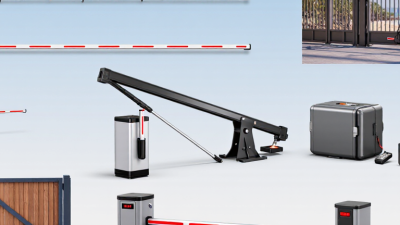
An electric gate kit normally includes a motor operator, control board, remote receiver, safety photocells, manual-release mechanism, mounting hardware, warning light, and optional backup battery. When an access signal is received, the control board powers the motor, monitors safety sensors, and stops or reverses the gate if an obstruction is detected.
Representative, non-brand-specific values based on common global gate-automation specifications. Always verify the rated load and duty cycle before purchase.
Which Power, Safety, and Access Features Matter Most in 2026
2026 Best Electric Gate Kit for Global Buyers?
Which Power, Safety, and Access Features Matter Most in 2026
Choosing an electric gate kit starts with the gate, not the motor. Measure its weight, width, hinge condition, and daily opening frequency. A powerful motor may struggle with poor alignment. More power is not always better. Check the rated duty cycle for homes, farms, apartments, or commercial entrances. Battery backup can keep access available during short outages, but it needs regular testing.
Safety deserves closer attention than opening speed. Look for obstacle detection, adjustable force limits, emergency release, and correctly positioned photo sensors. These features should stop or reverse movement when a person, vehicle, or pet enters the travel path. Professional installation matters because sensor height and gate geometry affect real performance. Local electrical and building requirements also vary, so buyers should confirm them with a qualified installer.
Access control should remain practical and secure. Rolling-code remotes, keypad entry, vehicle detection, and monitored mobile access can serve different users. Digital access is convenient, yet a physical backup method remains sensible. Weather resistance matters in coastal, snowy, and dusty regions. Check the enclosure rating and operating temperature range. I would not trust an advertised “universal” kit without testing compatibility. Every site is different, and even a well-designed system can need adjustment after installation.
How to Compare Electric Gate Kits for Different Global Markets
Comparing electric gate kits across global markets requires more than checking motor power. Begin with the gate itself: its weight, length, swing angle, and daily opening cycles. A compact residential gate may need a different drive system from a heavy steel entrance. Measure twice. Guessing creates expensive problems.
Check electrical compatibility carefully. Some markets use 120V systems, while others use 230V supplies, with different frequencies and wiring practices. Confirm the kit’s operating range with a qualified local installer. Climate also matters. Look for suitable weather protection in humid coastal areas, dusty regions, and freezing conditions. An IP rating helps, but it does not solve every environmental risk. Review temperature limits, corrosion resistance, and drainage around the motor.
Safety equipment should match local expectations and the gate’s movement. Photoelectric sensors, manual release systems, obstacle detection, and visible warning signals deserve close attention. Compare duty cycles, noise levels, spare-part availability, installation instructions, and warranty support in the destination country. Clear manuals reduce mistakes, especially when translations are poor. Test the control range around concrete walls and metal fencing; advertised distance can change sharply on site. I have found that simple controls often perform better for busy households. Still, advanced connectivity may help property managers monitor several entrances. It also introduces setup and maintenance concerns. No comparison is perfect, so record the site conditions before choosing.
What to Check Before Installing and Maintaining a Gate Automation Kit
Choosing the best electric gate kit in 2026 starts with the gate, not the motor. Measure its weight, width, swing range, and daily opening frequency. A heavy steel gate needs different power from a small aluminum gate. Check the local voltage and confirm that the control unit supports it safely. Regional weather also matters. Dust, rain, salt air, and freezing temperatures can shorten component life.
Tips: Inspect hinges before installation. They should move smoothly by hand. Keep control boxes above standing water, and use protected cable routes. Add safety sensors, manual release access, and warning lights where required by local regulations. Test obstacle detection with a soft object, never with a person or vehicle. Leave room for servicing. A crowded installation becomes difficult to repair.
During maintenance, clean sensor lenses and check mounting bolts every few months. Listen for grinding, delayed movement, or uneven travel. These signs may indicate worn rollers, poor alignment, or excessive load. Keep a record of inspections and unusual faults. It helps technicians diagnose problems faster. Battery backup can be useful during outages, but it still needs periodic testing. Some installation guides appear complete, yet they may overlook local conditions. Recheck the manual, wiring, and safety requirements before final commissioning. A careful installer should also explain emergency release operation to every regular user.