Why Choose a Sliding Gate Motor for Your Property?
A Sliding Gate Motor can make daily property access smoother, safer, and more predictable. Imagine arriving home during heavy rain, pressing a remote, and watching the gate move steadily without leaving your vehicle. For busy driveways, commercial entrances, and private communities, this convenience can save time during every arrival and departure.
The right motor also supports controlled access. Many modern systems include remote controls, keypad entry, vehicle sensors, and manual release options. These features can help reduce unnecessary gate handling and improve entry management. However, performance depends on gate weight, track condition, opening frequency, and local weather. A professional installer should assess these details before recommending motor capacity. An undersized unit may struggle, overheat, or wear out quickly.
A reliable system needs more than a powerful motor. Clear safety detection, stable electrical work, suitable drainage, and regular maintenance matter just as much. Keep the track free from stones and leaves. Check unusual noise early. Small warnings matter. In practical use, even a well-designed gate may need adjustment after seasonal movement, dust buildup, or repeated impact. That is an important limitation to consider.
Choosing a Sliding Gate Motor is therefore a balance between convenience, security, durability, and installation quality. Reputable manufacturers usually provide technical specifications, safety guidance, and service support. Still, product claims should be compared carefully with your property’s actual conditions. The best choice is not always the fastest motor. It is the system that operates safely, fits the gate, and remains dependable over time.
What Is a Sliding Gate Motor and How Does It Work?
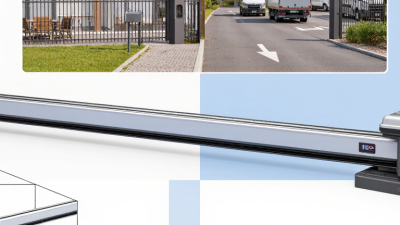
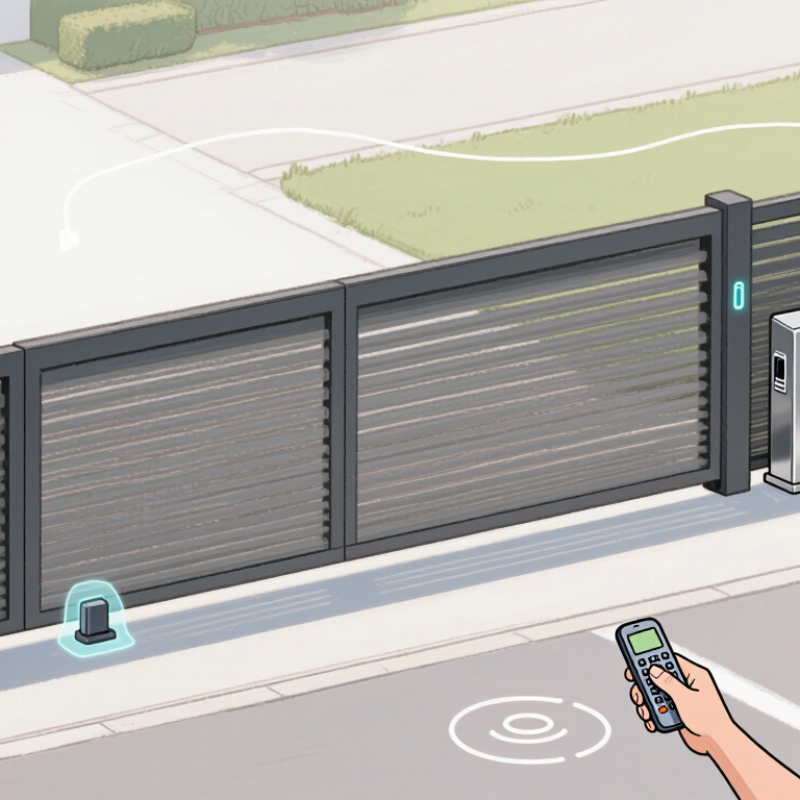
A sliding gate motor moves a gate along a fixed track instead of swinging it inward or outward. A toothed rack attaches to the gate. The motor turns a matching gear, creating controlled horizontal movement. Limit switches or magnetic sensors tell the control board when the gate is fully open or closed. Photocells can stop movement when a person, vehicle, or object crosses the opening.
This design suits narrow driveways and heavy gates. It also reduces the clearance needed beside a road. Grand View Research identifies growing demand for automated gate and door systems as part of wider access-control development. MarketsandMarkets projects the smart home market to grow from about 154 billion dollars in 2024 to more than 370 billion dollars by 2029. These figures do not guarantee better gate safety, however. Installation quality still matters more than a larger motor.
Tips:
Check the gate’s weight, length, slope, and track condition before choosing motor power. Keep the rack aligned and remove stones from the rollers. Test the emergency release and safety sensors every month. A motor can sound powerful while dragging against a damaged track. That is an easy mistake. Select equipment with adjustable force limits and documented safety testing for your region. When uncertain, ask a qualified installer to measure the gate’s actual resistance.
Key Benefits of Installing a Sliding Gate Motor
A sliding gate motor turns a heavy entrance into controlled, repeatable movement. With one button, residents can open the gate from a vehicle, reducing exposure to rain, traffic, and poor lighting. This convenience matters on busy mornings. The motor can also support remote controls, keypads, vehicle sensors, and timed closing. These features create a clearer entry routine and may reduce gates left open accidentally. It is not a magic shield.
MarketsandMarkets’ 2023 Access Control Market report valued the sector at USD 9.9 billion in 2023. It forecasts USD 14.9 billion by 2028, reflecting wider investment in controlled entry. Grand View Research reported that the smart home market reached USD 121.59 billion in 2023. These figures cover broader systems, not sliding gate motors alone. That distinction deserves attention. Before installation, measure gate weight, track condition, slope, and daily opening cycles. An undersized motor may overheat or wear quickly. A poorly aligned track wastes energy and creates jerky movement. Professional installers should verify obstacle detection, safety sensors, manual release, and emergency access. Regular cleaning and lubrication also matter. Small maintenance failures can become expensive repairs. A practical system should feel smooth, quiet, and predictable, rather than simply powerful.
Why Choose a Sliding Gate Motor for Your Property?
Typical residential comparison of manual and motorized sliding-gate operation.
A sliding gate motor can reduce the time required to open a gate, improve convenience during bad weather,
and support safer access control through remote controls, keypads, sensors, and vehicle detection systems.
Actual performance depends on gate size, weight, installation quality, and operating conditions.
How to Choose the Right Motor for Your Property
Why Choose a Sliding Gate Motor for Your Property?
How to Choose the Right Motor for Your Property
Choosing a sliding gate motor starts with the gate itself, not the motor’s advertised power. Measure the gate’s weight, length, and daily opening frequency. A light residential gate may need less force than a heavy steel gate used dozens of times daily. Check the track, rollers, and alignment first. A motor cannot reliably fix a gate that drags or tilts.
Weather and site conditions also matter. Properties near the coast may need stronger corrosion protection, while dusty driveways require sealed components and regular cleaning. Consider the available power supply, backup operation, and space for installation. Obstacle detection is essential because the gate may meet a vehicle, bicycle, or child unexpectedly. Local electrical requirements should guide the final installation.
From practical installation experience, many failures begin with poor preparation. I once underestimated a gate’s resistance after rain, and the motor worked harder than expected. That mistake changed my inspection checklist. Ask a qualified installer to assess the gate’s balance, stopping distance, and control settings. Select a motor with a suitable duty cycle, not simply the highest capacity. More power is not always better. It can increase wear, noise, and operating costs. Regularly inspect bolts, safety sensors, and the manual release, especially after storms or accidental impact.
Important Features to Compare Before Buying
Why Choose a Sliding Gate Motor for Your Property?
Important Features to Compare Before Buying
A sliding gate motor can make daily access smoother, especially on narrow driveways. You avoid leaving your vehicle to push a heavy gate. However, convenience depends on choosing the right system. Compare the gate’s weight, length, and movement before checking motor power. A powerful motor is not automatically the safest choice. It may strain the gate if the track is uneven.
Safety features deserve close attention. Look for obstacle detection, adjustable force control, and reliable stop functions. Photo sensors can help prevent the gate from closing against a person, vehicle, or bicycle. Manual release is also important during power failures. Battery backup adds convenience, but its capacity should match your usage. Test the release mechanism in person. Small details matter.
Weather resistance is another practical concern. Check the enclosure rating, temperature range, and protection against dust and rain. A quiet motor is valuable in residential areas, particularly at night. Compare duty cycle ratings if several vehicles use the entrance each day.
I once underestimated track maintenance, and the motor worked harder than expected. That mistake taught me to inspect wheels, rollers, and drainage before installation.
Professional fitting can improve alignment and safety, though poor maintenance can still cause problems. Verify that the equipment meets applicable local safety requirements. Keep access controls secure, and review them regularly.
Installation, Maintenance, and Safety Considerations
Why Choose a Sliding Gate Motor for Your Property?
A sliding gate motor can make daily access smoother, especially on narrow driveways. It moves the gate sideways instead of requiring a wide swing area. Before installation, measure the gate’s weight, length, travel path, and ground clearance. The track should be level, clean, and firmly supported. A qualified installer should check the structure, power supply, and drainage before fitting the motor. Small measurement errors can cause noisy movement or early wear.
Safety depends on more than the motor itself. Install obstacle detection, manual release access, warning signs, and suitable physical stops. Test the gate while opening and closing from different positions. Keep children and pets away during testing. Maintenance should include cleaning the track, checking rollers, tightening fasteners, and inspecting cables. Do not spray heavy lubricant onto dusty tracks. It can attract grit. I have found that neglected tracks often create more problems than weak motors. Still, every property is different, so a standard maintenance schedule may need adjustment.
Tips: Keep the gate area well lit. Remove stones and leaves weekly. Test safety sensors monthly. Record unusual sounds before they become failures. If the gate reverses unexpectedly, stop using it until a technician checks the system. Reliability improves when owners notice small changes early.