Garage Openers - PFC CONTROLS | Miami, Gate Operators, Sliding Gate, Swing Gate, Intercoms, Turnstiles, Bollards, Barrier gate

MENU
Go to content

What Are the Top Types of Electronic Gate Systems?

Choosing an Electronic Gate System is not just a matter of picking a gate that opens. The right design must suit the entrance, traffic flow, available space, and level of daily use. A narrow driveway may favor a sliding gate, while a broad commercial entrance may need a barrier arm. Swing gates, cantilever gates, and vertical-lift designs solve different site problems. Small details matter: a sloped driveway, a queue of delivery vehicles, or limited room beside the entrance can change the best choice.

The market context is growing. MarketsandMarkets’ 2023 Access Control Market report estimated a global value of $10.3 billion and projected $15.2 billion by 2028. That figure covers access control broadly, not gate systems alone, so it should not be mistaken for gate-specific demand. Still, it signals wider investment in controlled entry, where gates often work alongside credentials, sensors, and monitoring. Bruce Schneier, a respected security technologist, offers a useful principle: “Security is a process, not a product.” It applies here, too. A gate can be sturdy and still perform poorly if its controls, upkeep, or operating routine are neglected.

This guide compares the leading gate types by movement, space needs, and practical strengths. It also considers trade-offs, because no design fits every property. Some sites prioritize fast vehicle flow; others need compact installation or quieter operation. The “best” option is rarely universal. A careful site assessment—and honest attention to maintenance—can matter as much as the gate itself.
What Are the Top Types of Electronic Gate Systems?

Sliding Electronic Gate Systems

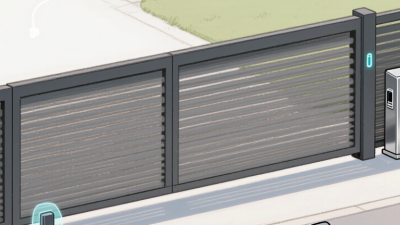
Sliding electronic gate systems move sideways along a track or cantilever rollers, making them useful where a swinging gate would block a driveway. They suit narrow entrances, but need clear space beside the opening. A gravel path, fallen leaves, or a small stone can disrupt a ground track. Cantilever designs avoid that track, though their support structure needs more room and careful installation.

The access-control market is growing, but the figures are not specific to gates. MarketsandMarkets estimated the global access-control market at US$8.6 billion in 2022 and projected US$15.2 billion by 2027. This wider industry trend helps explain interest in connected entry systems; it does not prove that every site needs one. For reliable operation, match motor capacity to gate weight and daily cycles. Safety devices, such as monitored photo eyes and pressure-sensitive edges, can help detect people or vehicles in the gate’s path. In the United States, UL 325 provides a relevant safety standard for automated gate operators.

Tips: Keep the travel path clean, test safety sensors regularly, and confirm that the gate can be released manually during a power outage. Small checks matter. A sensor can look fine and still need adjustment.

Swing Electronic Gate Systems

Swing electronic gate systems use hinged leaves that open inward or outward, much like a large door. They suit level driveways with enough clearance for the arc. A single leaf can work for a narrow entrance; paired leaves often fit wider openings. The trade-off is real: parked cars, slopes, and strong wind can obstruct movement.

Grand View Research’s 2024 gate-opener market report forecasts a 7.6% compound annual growth rate from 2024 to 2030, reflecting broader demand for automated access—not proof that swing gates suit every site. Measure the full opening arc before choosing hardware.

A dependable installation starts with rigid posts, aligned hinges, and an operator sized for the gate’s weight and exposure. On a breezy afternoon, even a light-looking panel can push hard against its motor. Photoelectric sensors and contact edges help detect people or objects; commissioning should test them at several positions. In the United States, UL 325 provides safety requirements for gate operators and related systems. Still, a standard cannot compensate for poor installation or skipped maintenance. That part is easy to underestimate.

Tips: Keep the swing path clear, check hinges for sag, and test safety sensors regularly. If the driveway slopes, have an installer verify the gate’s clearance before ordering.

Automatic Barrier Gate Systems

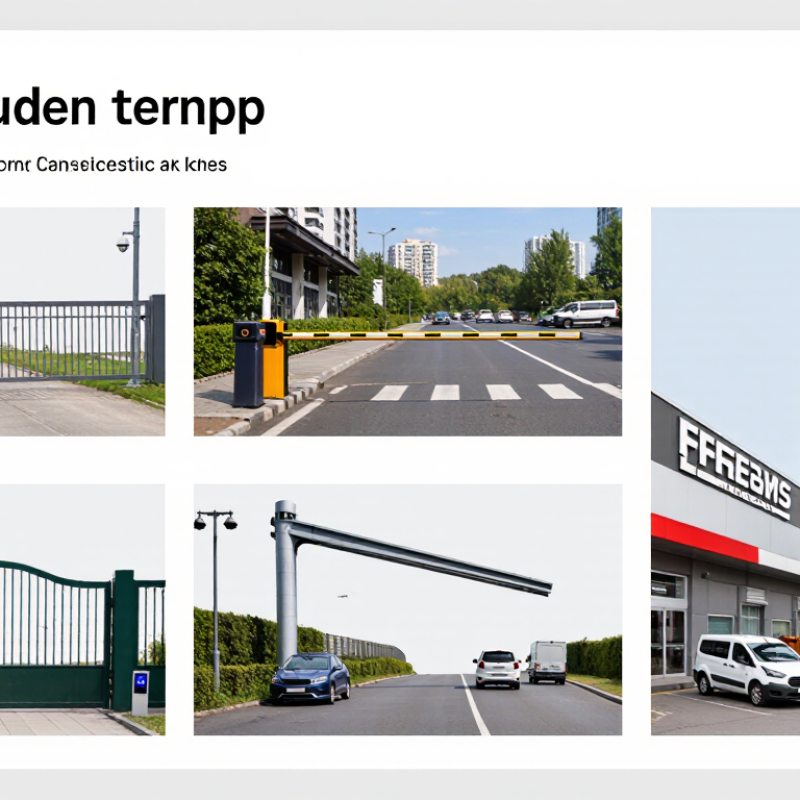
Automatic barrier gate systems manage vehicle entry by raising and lowering a powered arm. They are common at parking facilities, residential entrances, and service yards. A typical setup includes a motor, control unit, access reader, and safety sensors. Drivers may use a credential, keypad, or staffed control point to request entry. The arm should move only when the system confirms a safe operating condition.

Sensor placement matters. A vehicle loop in the pavement can detect a car beneath the arm, while photoelectric sensors can monitor the opening. These devices help reduce the risk of an arm lowering onto a vehicle, but they need correct installation and routine testing. In busy locations, slow opening cycles can create queues that spill onto nearby roads. Not every site needs the fastest motor. Traffic volume, available space, weather exposure, and expected vehicle types should guide equipment selection.

Maintenance is practical, not optional. Inspect the arm for cracks, check fasteners, and clear leaves or grit from moving parts. Test the safety sensors and manual release according to the manufacturer’s instructions. Power outages, damaged sensors, and poor alignment can interrupt access; a simple backup plan helps staff respond. It is easy to focus on the gate itself and overlook the waiting area. That detail deserves a second look.

What Are the Top Types of Electronic Gate Systems? - Automatic Barrier Gate Systems
System Type How It Opens Common Applications Space Requirements Key Advantages Important Considerations
Automatic Boom Barrier A powered arm lifts or lowers across a vehicle lane. Car parks, toll lanes, controlled entrances, and site access roads. Requires room for the barrier cabinet and a clear vehicle lane; the arm moves above the lane. Provides a clear visual signal, operates quickly, and suits frequent vehicle access. Controls vehicle passage but does not form a secure, full-height perimeter barrier. Safety sensors and suitable arm length are important.
Automatic Sliding Gate The gate moves sideways along a track or a cantilever support system. Commercial entrances, industrial sites, and properties with sloped driveways. Needs clear space beside the opening for the gate to retract. Does not swing into the driveway and can provide a strong physical boundary when properly specified. Track-based designs need a suitable, maintained ground path; cantilever designs need additional support and lateral clearance.
Automatic Swing Gate One or two leaves rotate on hinges, inward or outward. Residential driveways, campuses, and entrances with moderate traffic. Needs a clear arc for each leaf to swing and a reasonably level opening area. Simple, familiar layout with a wide choice of gate designs and configurations. Driveway slope, wind exposure, and pedestrian safety affect suitability and operator selection.
Vertical Lift Gate The gate rises vertically, typically using a guided frame and powered lifting mechanism. Sites where there is limited room beside or within the entrance, including some industrial settings. Requires overhead clearance for the raised gate and space for its supporting structure. Avoids a side-retraction area and a ground-level swing arc. Structural support, overhead obstructions, and safe operation must be assessed during planning.
Automatic Rising Bollards Individual posts rise from and retract into the ground. Pedestrian zones, restricted streets, building perimeters, and vehicle access points. Requires underground installation space and suitable drainage around the bollard housing. Can restrict vehicle access while keeping the surrounding area relatively open when lowered. Ground conditions, drainage, maintenance access, and the required level of vehicle resistance need careful consideration.

Vertical Lift Electronic Gate Systems

Vertical lift electronic gates rise straight upward, making them useful where a swinging leaf would block a driveway, loading bay, or narrow yard. Their compact footprint is appealing. The trade-off is overhead clearance: installers must check beams, lights, pipes, and vehicle height before choosing the track and lift arrangement. The moving curtain or panels also need balanced supports, guarded pinch points, and presence-sensing devices. A sensor that is poorly positioned can miss a person or vehicle.

Safety deserves more than a checkbox. The U.S. Consumer Product Safety Commission’s historical review recorded 32 child deaths involving automatic garage doors between 1982 and 1996; those figures concern garage doors, not vertical-lift vehicle gates, but they underscore entrapment hazards in powered moving systems. ASTM F2200 and UL 325 provide relevant design and operator-safety requirements for automated vehicular gates. A project team should verify the gate’s intended use, guarding, emergency release, and tested safety devices against current requirements. Wind load matters, too: a large solid gate can behave like a sail, so structural supports and controls must suit local exposure. I would still inspect the site in person; drawings often miss a low beam or an uneven floor. Small details count.

Bi-Folding and Telescopic Gate Systems

Bi-folding and telescopic gates solve different space problems. A bi-folding gate uses hinged panels that fold back as it opens. It can suit a short driveway where a full swing would obstruct a path or parked vehicle. Watch the clearance: folded panels still need room beside the opening, and hinges require regular inspection.

A telescopic gate uses overlapping sliding sections, so it can open within a shorter run-back area than a single sliding gate. That makes it useful where a wall or boundary limits travel space. The trade-off is more moving parts and a track or guide system that must stay clear of grit, leaves, and ice. Small details matter.

MarketsandMarkets’ Automatic Gate Opening System Market report projected the market to grow from USD 1.9 billion in 2022 to USD 2.5 billion by 2027, a 5.6% compound annual growth rate. This signals broader investment in automated access, not proof that one gate type suits every site. Measure the opening, run-back space, slope, and daily traffic before choosing. A hurried survey can miss a post, drain, or uneven surface—and that mistake may be expensive.

PFC CONTROLS
1638 NW 108TH AVE. MIAMI, FL 33172
Sales: (305) 593-0227
Tech: (305) 546-3965

Copyright, All rights reserved
Back to content